Soccer Guides / Skills and training
Heading technique and safety
How to head the ball correctly, why many youth programs limit or ban heading for young players, and how to recognize a possible concussion.
This page is general education, not medical advice. Follow your league's heading rules and seek medical help for any suspected head injury.
Why heading needs care
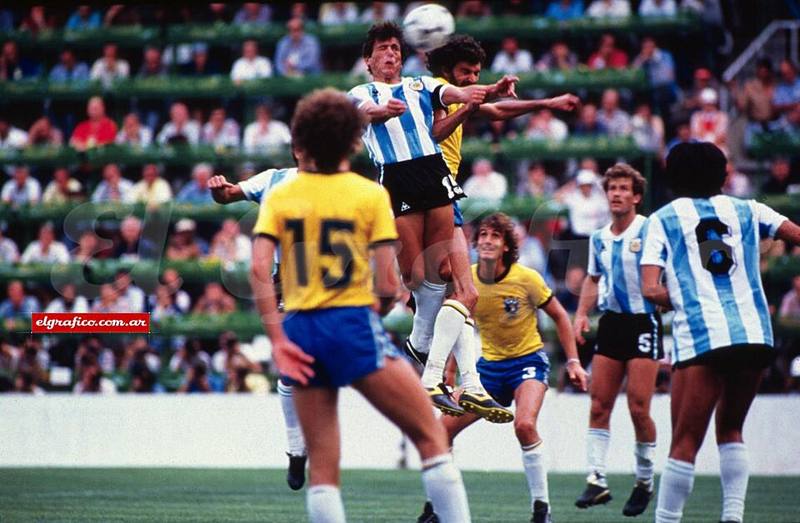
Heading is a real part of the game, but medical researchers and governing bodies have raised concerns about repeated head impacts, especially for children whose brains and neck muscles are still developing. As a result, several national associations limit heading for young players.
Youth heading rules
- United States: U.S. Soccer guidance, introduced in 2016, says players aged 10 and under should not head the ball, and heading in practice for ages 11 to 13 should be limited.
- England: The Football Association has removed deliberate heading from matches for its younger age groups and has guidance limiting heading in training at all ages.
- Elsewhere: Rules vary. Always check your national association and league.
In leagues that ban deliberate heading for young players, a deliberate header is usually penalized with an indirect free kick to the other team.
Good technique (for players old enough to head)
- Eyes open, mouth closed. Watch the ball onto your head.
- Use the forehead, the flat, strong part just below the hairline. Never the top of the head.
- Brace your neck and core. Tense your neck muscles so your head and torso move as one unit.
- Attack the ball. Move your upper body forward from the hips to meet it, rather than letting it hit you.
- Arms for balance and protection, without leading with the elbow (that is a foul and can be a red card).
Types of header
| Header | Aim | Key point |
|---|---|---|
| Defensive | High and far, clear of danger | Meet the bottom half of the ball |
| Attacking | Down toward the goal line | Meet the top half of the ball |
| Flick-on | Redirect to a teammate | Glance with the side of the forehead |
| Diving | Reach a low cross | Only for experienced players, high risk |
Training with care
- Use lighter or under-inflated balls for heading technique work.
- Keep repetitions low. A few quality headers beat dozens of hard ones.
- Strengthen the neck and core with general conditioning (see fitness drills).
- Do not practice heading long goal kicks or hard-driven balls with young players.
Recognizing a possible concussion
Signs include:
- Headache or pressure in the head.
- Dizziness, balance problems or blurred vision.
- Confusion, memory problems or seeming dazed.
- Nausea or vomiting.
- Loss of consciousness, even briefly.
- Unusual emotions or drowsiness.
Anyone with a suspected concussion should be removed from play and not return that day. A medical professional should assess them, and a gradual return-to-play plan should follow. Professional competitions may use permanent concussion substitutes so teams are never tempted to keep an injured player on.
"If in doubt, sit them out." No match is worth a brain injury.