Soccer Guides / Positions and tactics
Positions: goalkeepers and defenders
The jobs of the goalkeeper, center-backs, fullbacks and wing-backs in the modern game, and the skills each one needs.
Goalkeeper (GK)
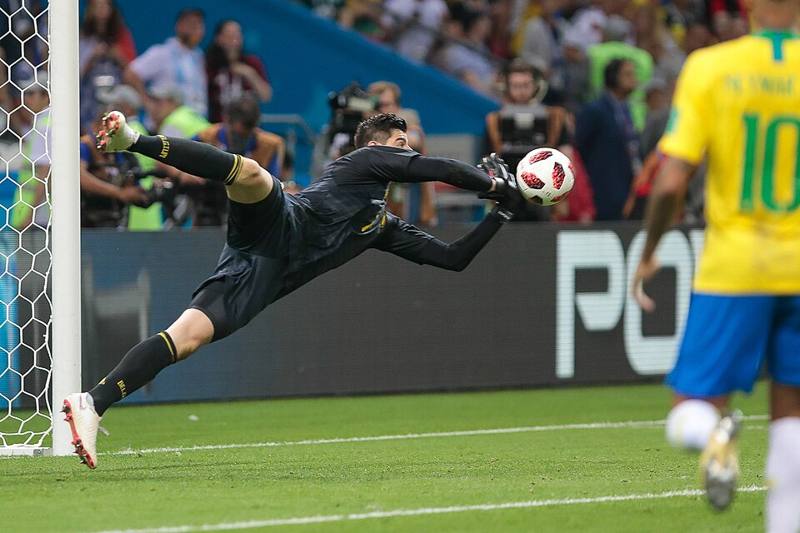
The goalkeeper is the only player allowed to handle the ball, and only inside their own penalty area. Their core jobs:
- Shot stopping: positioning, diving and reaction saves.
- Commanding the area: catching or punching crosses and organizing defenders at set pieces.
- Sweeping: rushing out to clear balls played behind a high defensive line.
- Distribution: starting attacks with short passes, long kicks or quick throws.
The modern keeper is often called a "sweeper-keeper" because teams that play out from the back need a goalkeeper who is comfortable passing under pressure. Keepers wear a different color from all other players and the referees. For technique, see goalkeeping basics.
Center-back (CB)
Center-backs, also called central defenders, protect the middle of the field in front of goal. Most teams use two, and some use three. Their main tasks:
- Win headers and tackles against strikers.
- Hold the defensive line and step up together to play offside.
- Block shots and cover for teammates who have been beaten.
- Start attacks with accurate passes, including longer diagonal switches.
A pair often combines a "stopper", who steps forward to challenge, with a "cover" defender who reads danger behind. In a back three, the middle player often organizes the line.
Fullback (LB and RB)
Fullbacks play on the left and right of the defense. Traditionally they marked wingers. Today many are among the most active players on the field, overlapping the winger to cross the ball, or "inverting" into midfield to help keep possession. They need stamina, speed and good one-on-one defending.
Wing-back (LWB and RWB)
Wing-backs appear in systems with three center-backs, such as 3-5-2 or 3-4-3. They cover the whole flank on their own: attacking like wingers when their team has the ball and dropping into a back five without it. It is one of the most physically demanding roles in the sport.
Sweeper and libero
The sweeper was a defender who played behind the other defenders to clear up any danger. The libero version, associated with players such as Franz Beckenbauer, also carried the ball forward into attack. Pure sweepers are rare today because teams defend with flat lines and use offside, but the idea lives on in ball-playing center-backs and sweeper-keepers.
Comparing defensive roles
| Role | Key strengths | Typical numbers on shirts (tradition only) |
|---|---|---|
| Goalkeeper | Reflexes, handling, communication, passing | 1 |
| Center-back | Heading, tackling, positioning, composure | 4, 5, 6 |
| Fullback | Speed, stamina, crossing, 1v1 defending | 2, 3 |
| Wing-back | Endurance, crossing, recovery runs | 2, 3, or any |
Shirt numbers in modern leagues are assigned freely by squads, so treat them as tradition, not rule.
When you watch a match, pick one defender and follow only them for ten minutes. You will see how often they talk, point and shift as the ball moves, even when it is far away.