Soccer Guides / Laws of the game explained
Handball, the Law fans argue about most
Not every touch with the hand is an offence. Here is how referees decide, where the arm starts, and why some accidental touches still cancel a goal.
Where the arm begins
For handball purposes, the boundary between the shoulder and the arm is level with the bottom of the armpit. A ball that strikes the shoulder above that line is not handball. The same line is used for offside, where arms are ignored.
It is an offence when a player
Under Law 12 it is a handball offence if a player:
- Deliberately touches the ball with the hand or arm, for example moving the hand or arm toward the ball.
- Touches the ball with the hand or arm when it has made their body unnaturally bigger. A position is considered unnatural when it is not a consequence of, or justifiable by, the player's body movement in that specific situation. If the arm is above or beyond shoulder level, the player usually takes that risk, unless the arm got there because of a deliberate play of the ball.
- Scores in the opponents' goal directly from their hand or arm, even if it was accidental, including the goalkeeper.
Accidental handball by teammates
Since 2021, an accidental touch by an attacker that leads to a teammate scoring is no longer an offence. Only the goal scorer's own accidental hand or arm touch immediately before scoring is penalized.
Situations that are usually not handball
- The ball touches a player's hand or arm directly from their own head or body, or from the head or body of another player who is close by.
- The arm is close to the body and has not made it unnaturally bigger.
- A player falls and the arm is between the body and the ground to support it, as long as it is not extended away from the body.
- The ball is deliberately played by a player and then strikes their own arm.
Referees look at the whole situation: distance, speed of the ball, whether the player could react, and the position of the arm relative to the body movement.
Goalkeepers and handball
A goalkeeper can handle the ball inside their own penalty area. Outside the area, a keeper is treated like any other player. Inside the area, keepers commit an offence (indirect free kick) if they handle the ball after a teammate deliberately kicks it to them, or after receiving it directly from a teammate's throw-in. Holding the ball for more than eight seconds is now punished by a corner kick to the opponents.
Punishment
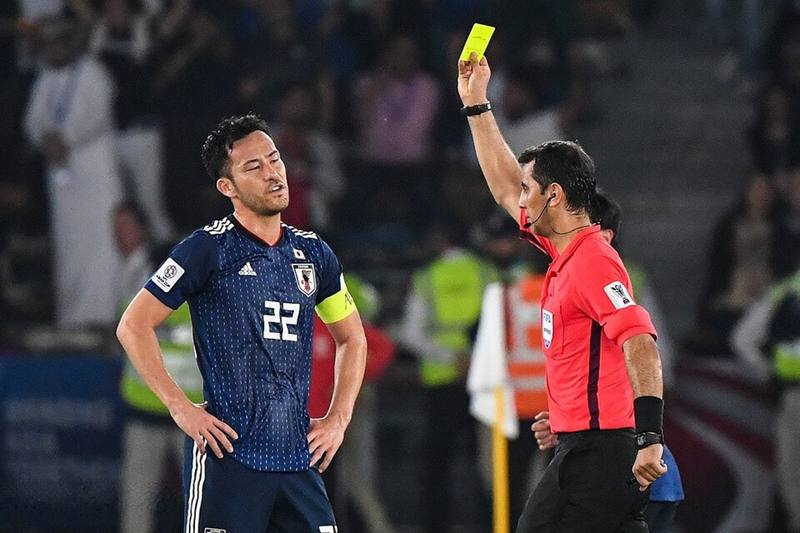
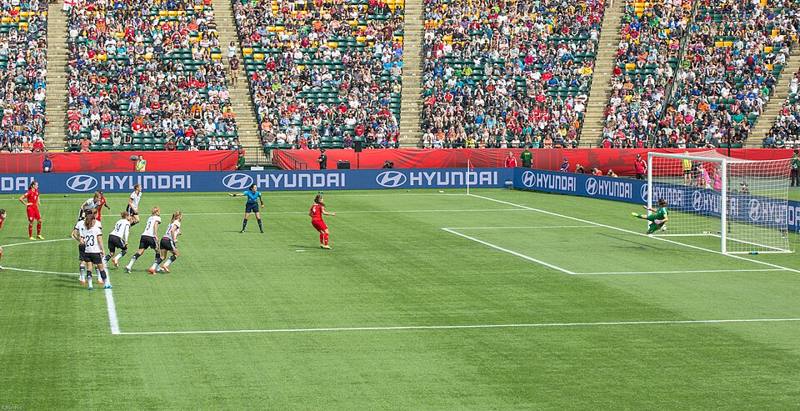
A handball offence is a direct free kick, or a penalty if committed by a defender in their own penalty area. A handball that denies a goal or an obvious goal-scoring opportunity is a red card. A handball that stops a promising attack, or is an attempt to score, is a yellow card.
Why it causes arguments
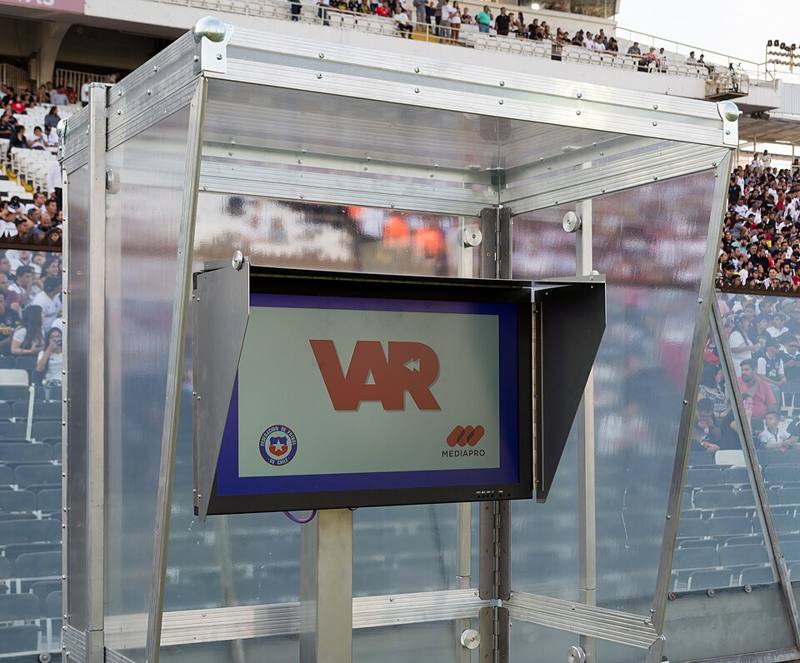
Handball is a judgment call about intent and body shape, made in real time, and slow-motion replays can make natural movements look deliberate. That is why VAR protocols say video officials should intervene only for clear and obvious errors, and why referees are trained to review incidents at normal speed as well as in slow motion.
Three questions to ask
Next time you see a handball debate on TV, run through these in order:
- Was the hand or arm moving toward the ball, or was the ball moving toward a still arm?
- Did the arm make the body bigger in a way the player's movement did not justify?
- Did the ball go straight into the goal off the scorer's arm?
If the answer to all three is no, it is very likely not an offence under the current Laws.
Players are taught to keep arms tucked or behind the back when blocking shots inside the area. It looks awkward, but it removes most of the risk.