Soccer Guides / Laws of the game explained
Referees and match officials
Who does what on match day, from the referee and assistants to the fourth official and the VAR team, plus the signals that help you follow the game.
The referee's authority
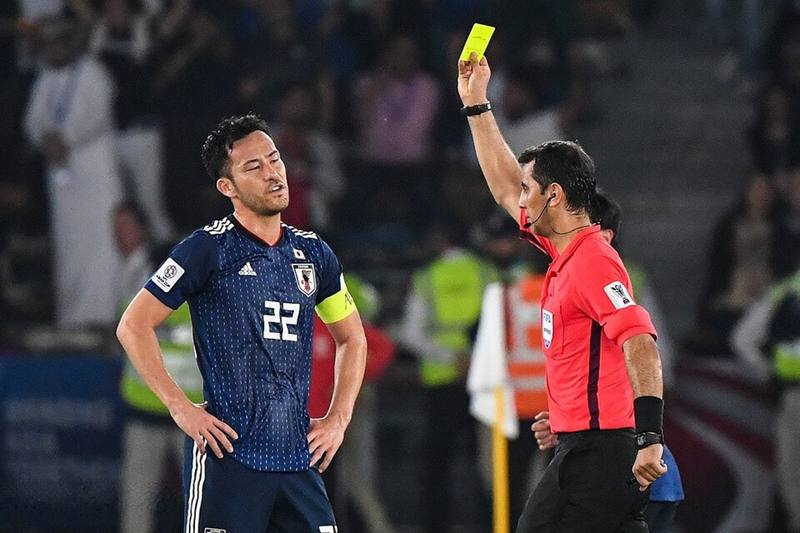
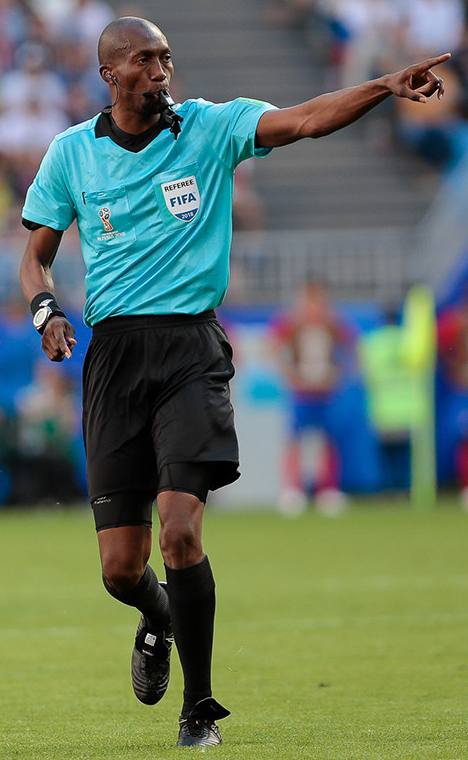
Law 5 gives the referee full authority to enforce the Laws for the match. The referee's decisions on facts connected with play, including whether a goal was scored, are final. A referee can change a decision only if play has not restarted, or if they have not yet signaled the end of the half or match. Referees also play advantage, keep the official record, stop play for serious injuries and take disciplinary action from the moment they enter the field for the pre-match inspection.
Under the Laws, every team must have a captain wearing an armband. Many competitions already use an "only the captain" approach, where only the captain may approach the referee to discuss a decision. The 2026/27 Laws make this compulsory from July 1, 2027.
The officiating team
| Official | Main job |
|---|---|
| Referee | Controls the match and makes final decisions |
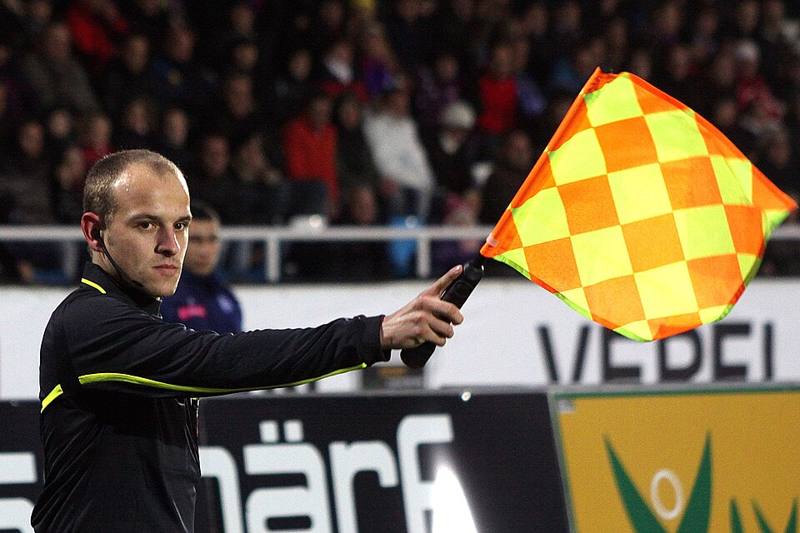
| Assistant referees (2) | Signal offside, ball out of play, which team gets a restart, and offences the referee may not see |
| Fourth official | Manages substitutions, shows added time, helps control the technical areas |
| Reserve assistant referee | Replaces an assistant who cannot continue (used in some competitions) |
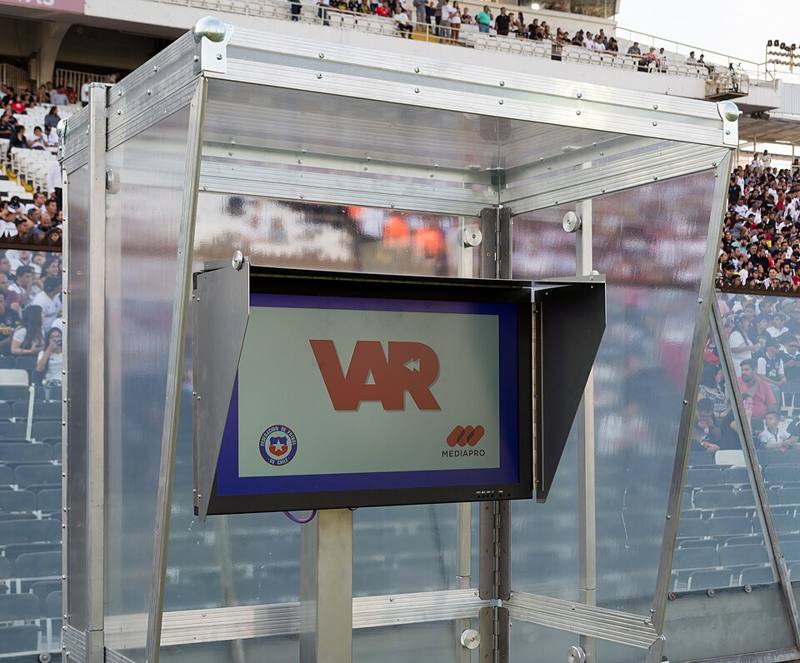
| Video assistant referee (VAR) | Reviews certain decisions from video, see our VAR guide |
| Assistant VAR (AVAR) | Supports the VAR, often watching live play while the VAR checks an incident |
Some competitions have also used additional assistant referees beside each goal.
Signals to recognize
- Both arms forward: advantage, play on.
- Arm pointing to a corner flag: corner kick.
- Arm pointing to the goal area: goal kick.
- Arm raised straight up: indirect free kick (held until the ball touches another player or goes out).
- Pointing to the penalty mark: penalty kick.
- Drawing a rectangle in the air: VAR review.
- Assistant's flag raised then pointed across the field: offside, showing where the free kick should be taken.
- Assistant's flag raised at an angle: throw-in, pointing in the direction the team taking the throw is attacking.
Referee equipment
Referees carry a whistle, a watch, yellow and red cards and a notebook. At higher levels they also use radio headsets, vibrating goal-line technology watches and, as an option under the 2026/27 Laws, body cameras.
Respect for referees
Grassroots soccer depends on volunteer and part-time referees, and many leave the role because of abuse from players, coaches and spectators. Simple habits help: let the captain speak for the team, accept decisions, and thank the officials at full time.
Want to referee? Most national associations run introductory courses for teenagers and adults. It is one of the fastest ways to understand the Laws deeply, and youth games always need officials.
Becoming a better viewer
Watch the assistant referee instead of the ball on a long pass. You will start to see offside decisions develop, and you will understand why the flag sometimes stays down until a move is over: assistants are instructed to delay close offside flags so that VAR can still review a goal.